Old Lutheran Church at the University of Arkansas Fayetteville, AR / 2024
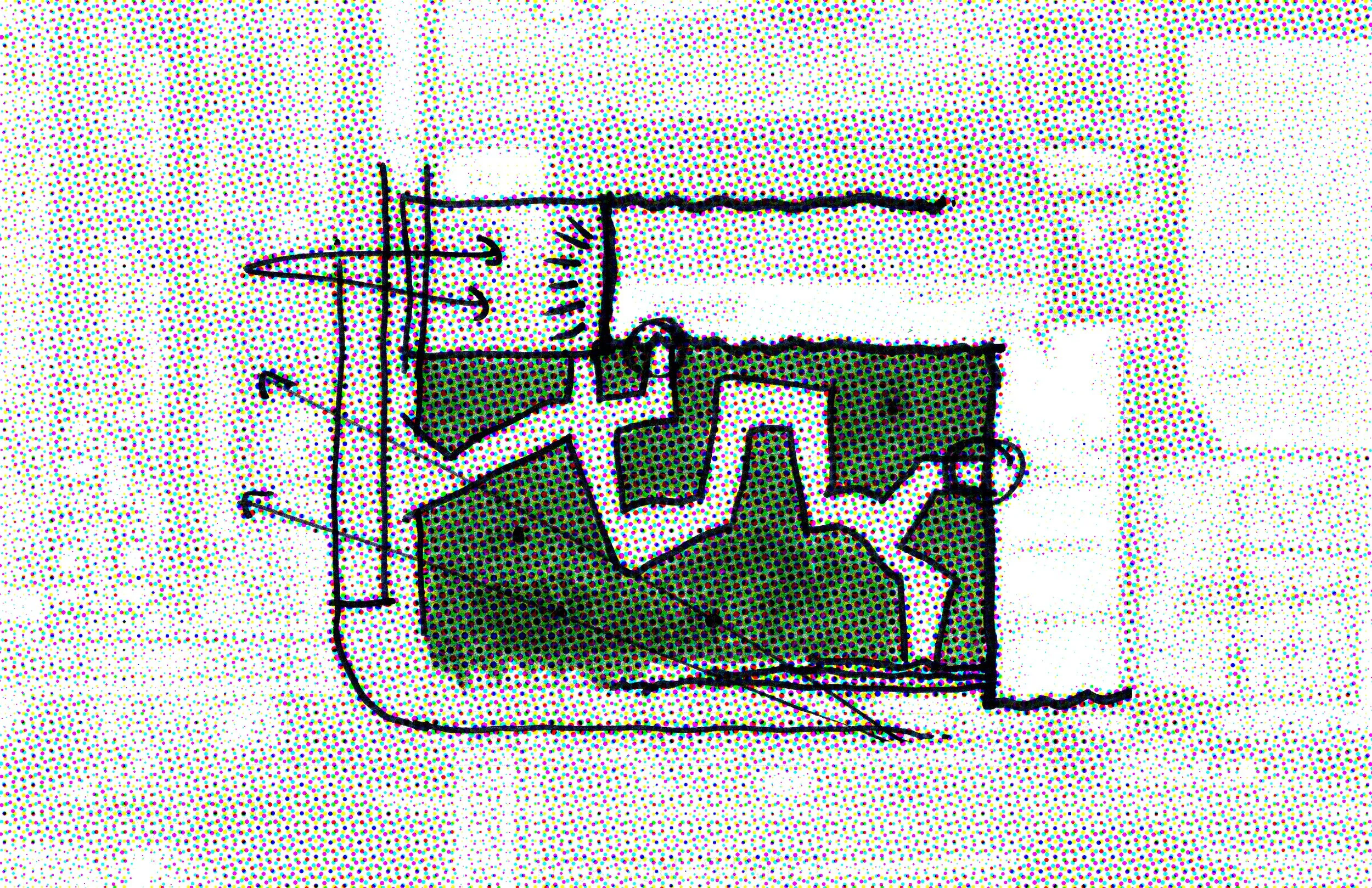
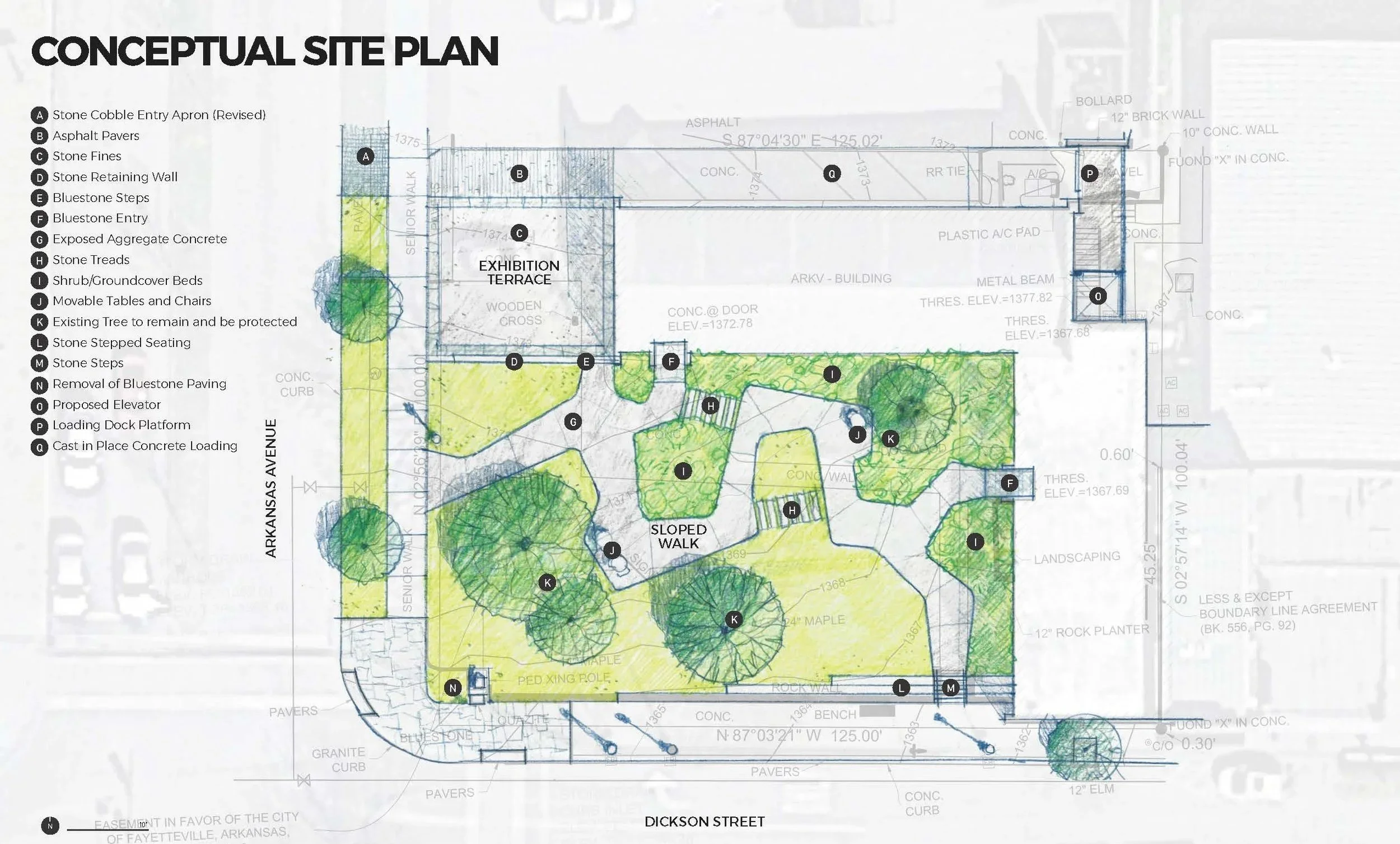
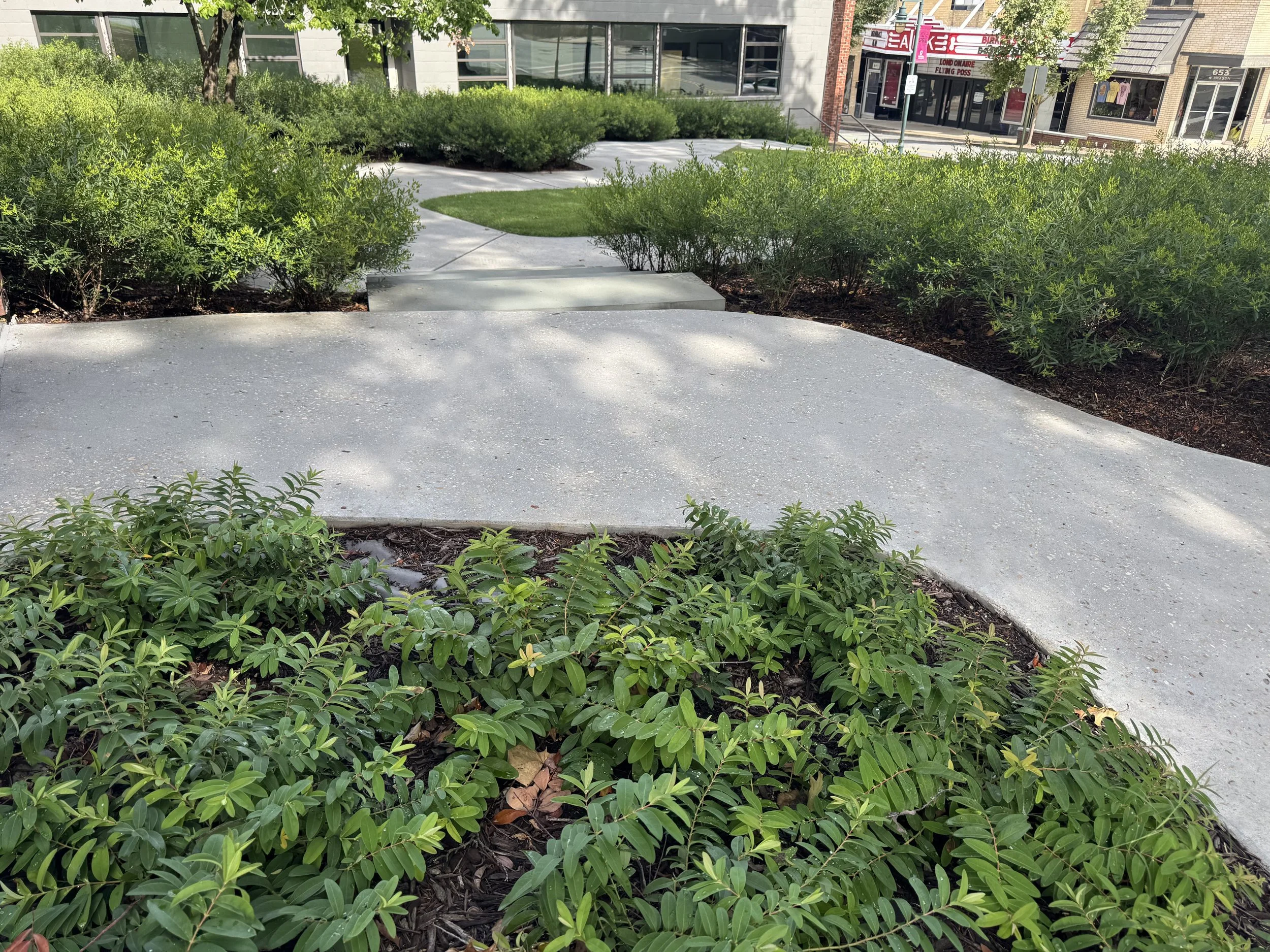
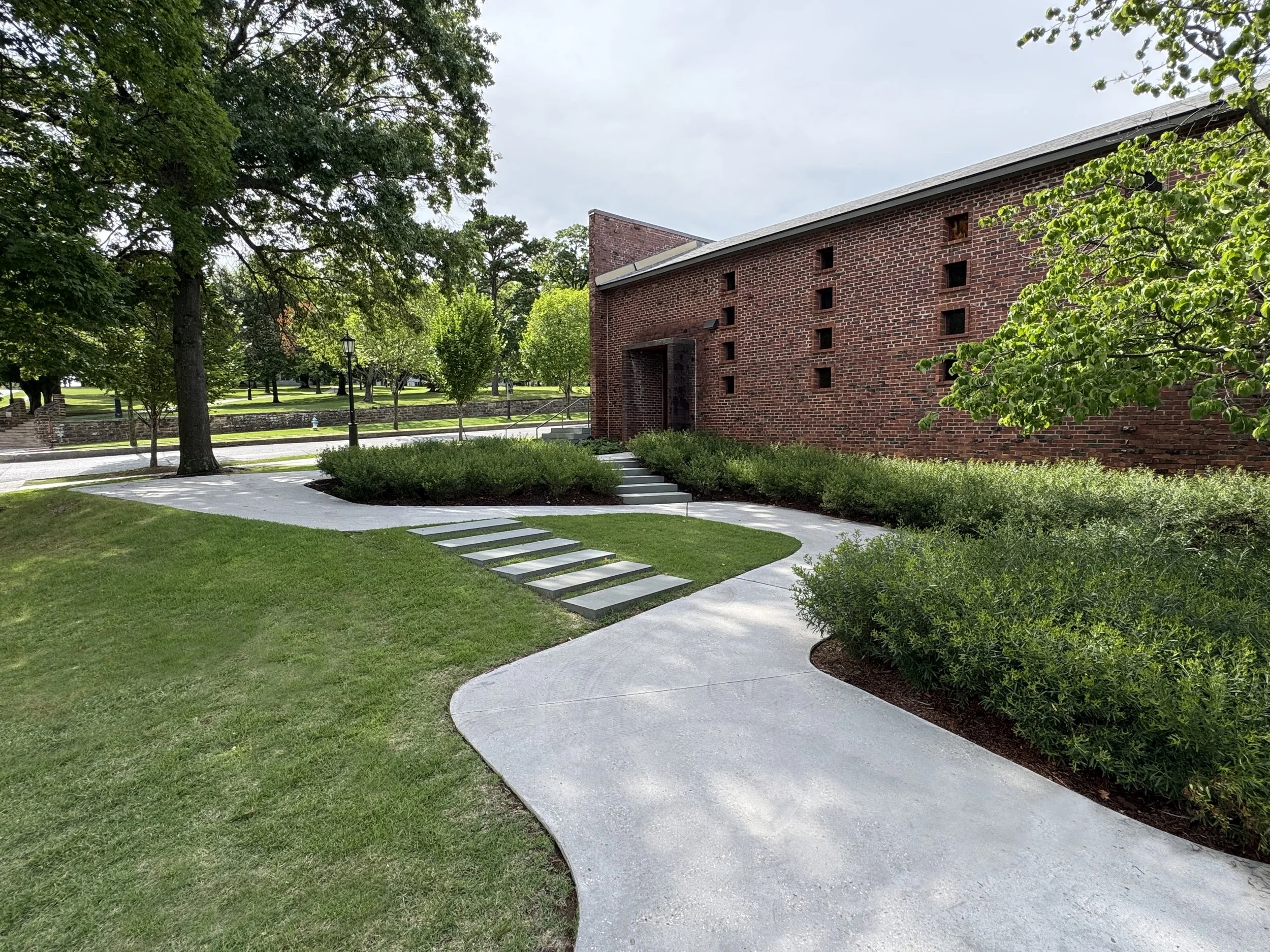
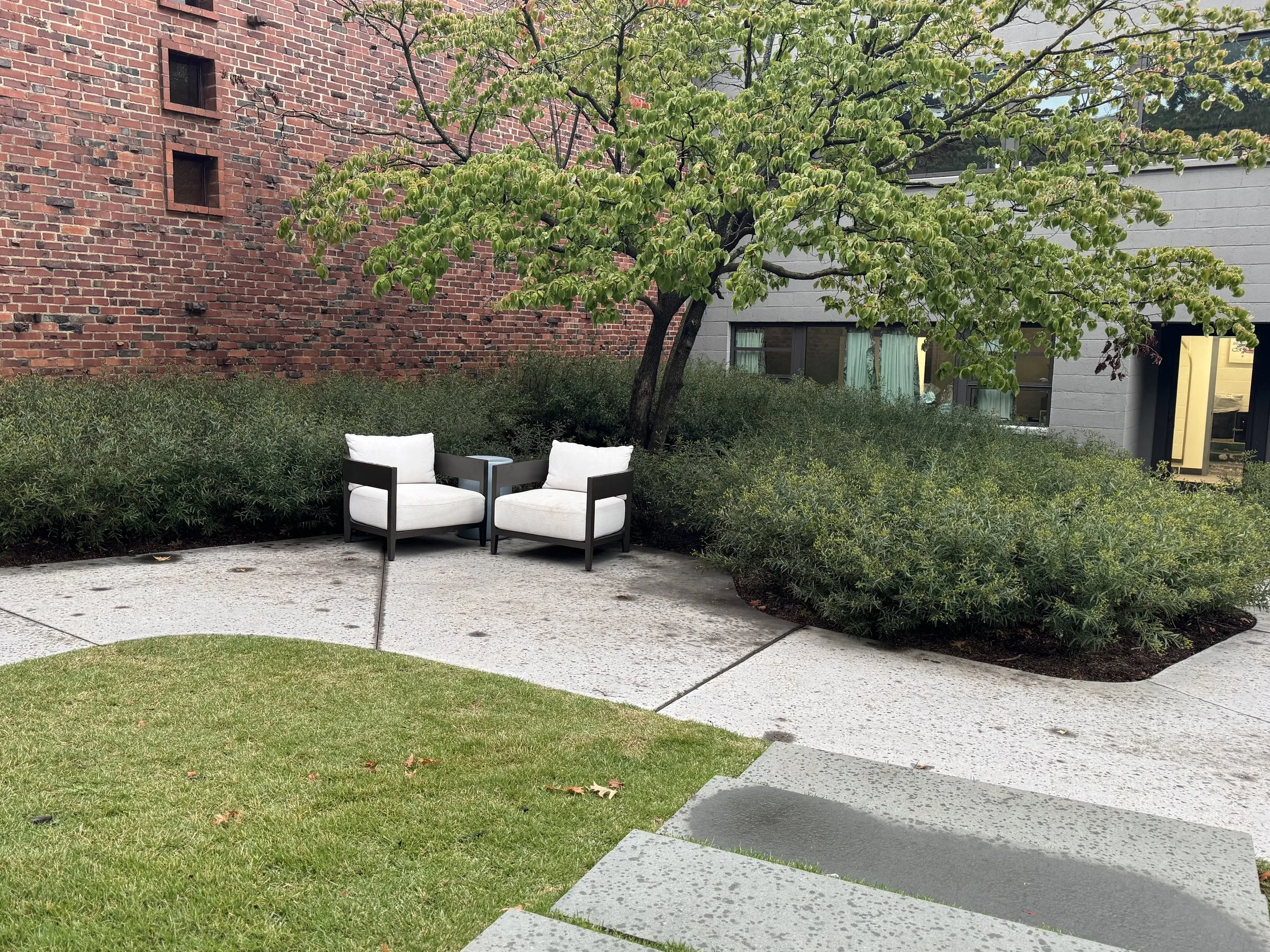
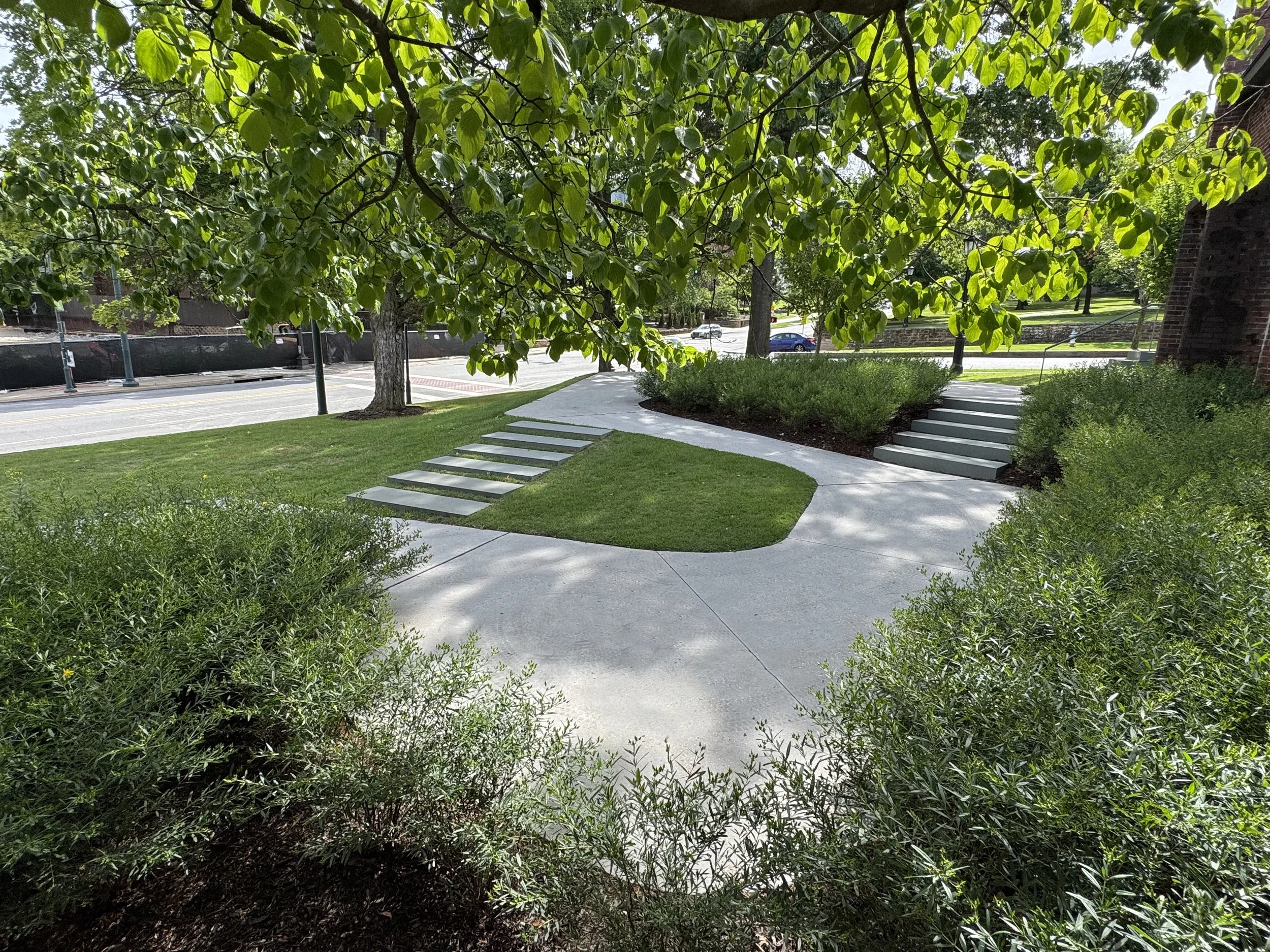
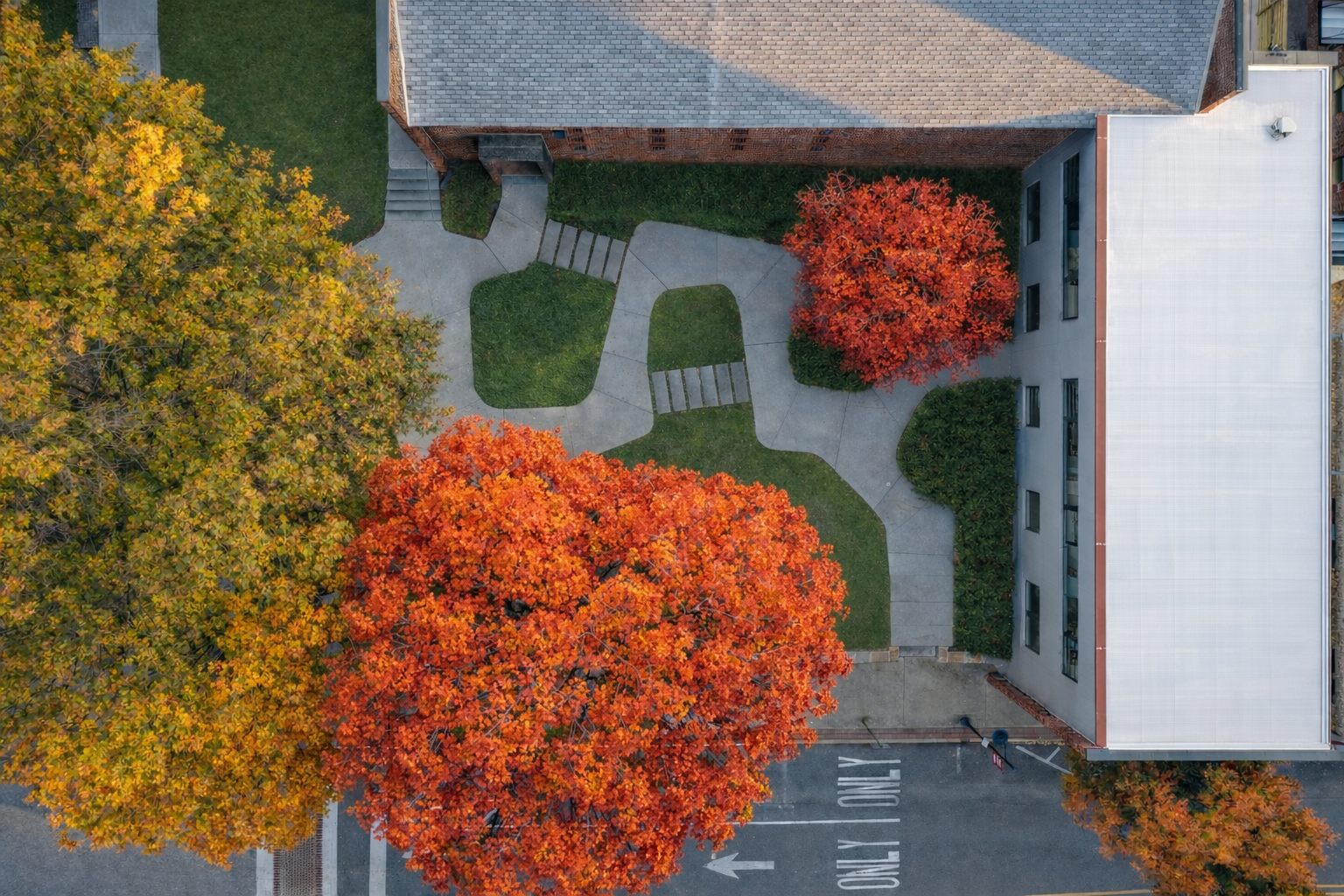
The landscape at Old Lutheran Church is shaped by a distinctly expressive geometry, an intentional departure from rigid orthogonal campus circulation. The path network reads as carved rather than drawn, with softened edges and subtle shifts in alignment that feel as though they were discovered within the site rather than imposed upon it. This geometry creates a spatial language that is both playful and deeply contextual, echoing the irregularity of the existing tree canopy and the historic character of the church grounds.
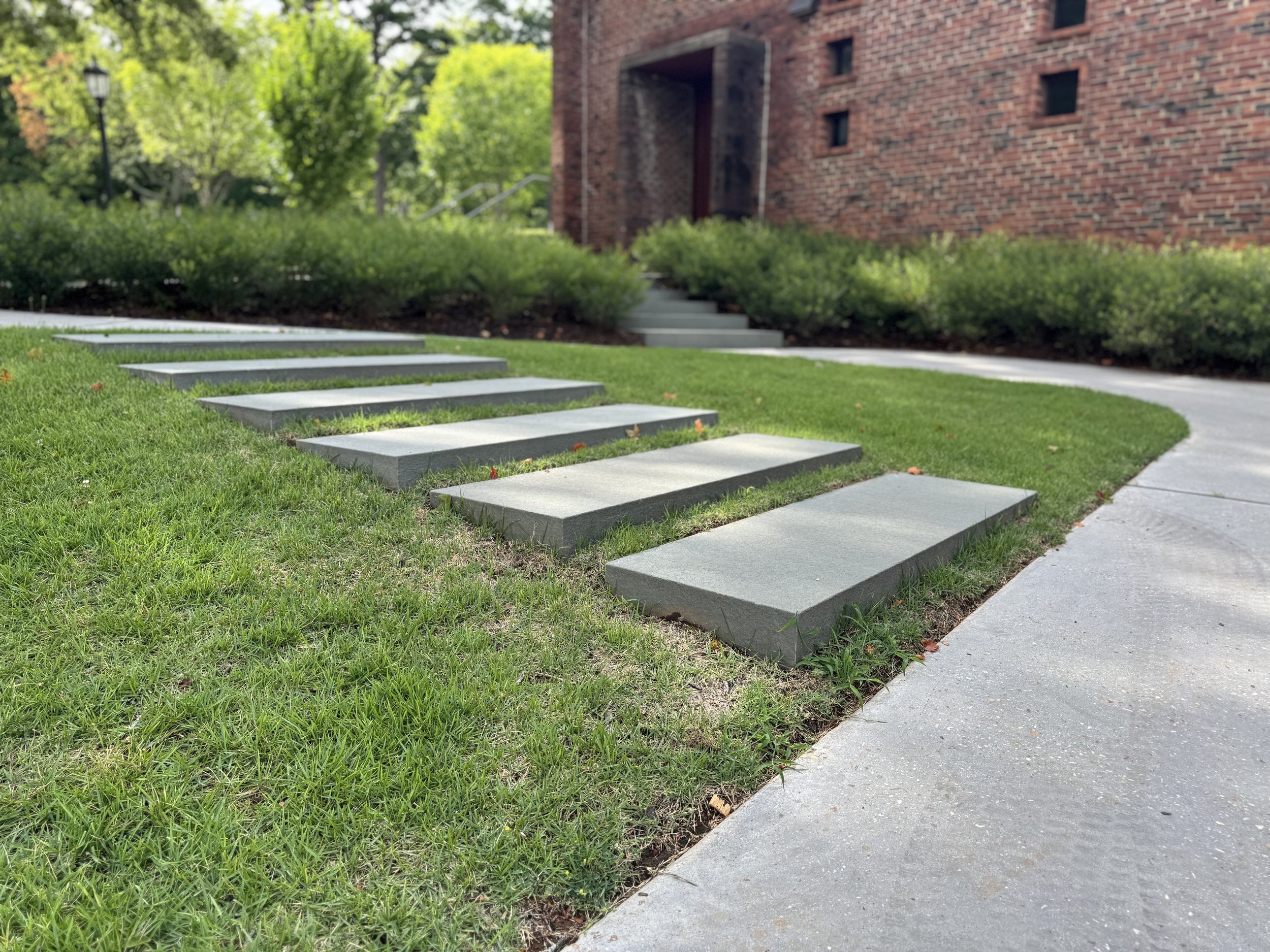
Beyond aesthetics, the geometry performs. By extending the overall length of the accessible path network, the design carefully distributes grade change across a longer run, allowing multiple building entrances to be reached comfortably without relying on abrupt ramps or intrusive rail systems. Accessibility becomes embedded in the experience of moving through the landscape, gentle, intuitive, and legible, rather than expressed as a separate or secondary layer of infrastructure.
This elongated path strategy was critical to preserving the site’s mature trees. Rather than forcing direct routes that would have required significant removals, the circulation bends and elongates in response to root zones and trunk locations. The result is a sequence of movement that feels natural and inevitable, while safeguarding the ecological and cultural value of the existing canopy.
The project ultimately demonstrates how accessibility, preservation, and identity can be solved simultaneously. The path is not simply a means of getting from point A to point B. It is the primary organizing framework of the landscape, stitching together multiple building entrances, protecting legacy trees, and establishing a memorable spatial character unique to this place on campus.
Client | University of Arkansas
Architect | Hufft